When a corporation responsible for wildfire damage files bankruptcy, an automatic stay immediately halts existing lawsuits. In these situations, working with a wildfire attorney becomes critical to preserve your rights through a timely proof of claim filing.
Bankruptcy does not erase corporate liability for wildfire damages, but it does change the process for how victims may recover compensation. Instead of straightforward litigation, the bankruptcy process restructures claims into complex proceedings where wildfire victims often find themselves competing with other creditors for limited assets.
Key Takeaways
- The automatic stay under 11 U.S.C. §362 immediately stops lawsuits against the debtor, but exceptions exist for pursuing insurance proceeds and government enforcement actions
- Filing a proof of claim before the bar date is essential—missing this deadline typically eliminates your right to any recovery
- Wildfire victim compensation trusts established in Chapter 11 can provide substantial payouts, though recovery percentages and timing vary
- Relief from stay motions may allow continued litigation to reach liability insurance that remains available despite bankruptcy
- The 2024 Supreme Court ruling limiting third-party releases affects how bankruptcy plans can protect non-debtor parties from liability
What Does the Automatic Stay Mean for My Wildfire Lawsuit?
The automatic stay acts like a legal freeze on all collection activities the moment a company files bankruptcy. Under 11 U.S.C. §362, pending lawsuits stop immediately, new lawsuits cannot be filed, and any judgments already obtained cannot be collected. This protection allows debtors to reorganize while preventing a race among creditors that would deplete assets unfairly.
Immediate Impact on Pending Litigation
If you've already filed suit against the responsible corporation, that litigation pauses automatically. Court proceedings halt, discovery stops, and trial dates get vacated. Your attorney will receive notice of the bankruptcy filing and must cease all activity against the debtor. Violating the stay can result in sanctions, making compliance essential even when frustrating.
The stay doesn't mean your claim disappears, but rather it shifts to bankruptcy court jurisdiction. This means that your state court lawsuit becomes a claim in a federal bankruptcy case. The damages you sought through litigation now get pursued through the bankruptcy claims process. This transition requires different procedures, but it may preserve your right to compensation.
Exceptions That May Apply
Not everything stops with the automatic stay. Government entities exercising police or regulatory powers can continue enforcement actions under §362(b)(4). This means state attorneys general pursuing wildfire penalties or regulatory agencies demanding safety improvements may proceed despite bankruptcy. These actions can benefit victims by forcing corporate accountability during reorganization.
Insurance-related activities may continue as well. The stay typically doesn't prevent you from filing claims with your own insurance or pursuing the debtor's insurance coverage in certain circumstances. Courts recognize that insurance proceeds aren't property of the bankruptcy estate when they're earmarked for tort victims. This distinction becomes crucial for accessing compensation while bankruptcy proceedings unfold.
Do I Still Need to File a Proof of Claim?
Meeting the deadlines for filing a wildfire claim in bankruptcy proceedings is absolutely critical. Filing a proof of claim formally asserts your right to compensation, and missing this court-imposed deadline usually eliminates any possibility of recovery. The bankruptcy court sets a “bar date” by which all wildfire claims must be submitted—typically 60 to 90 days after the bankruptcy petition, though mass tort cases may provide extended timelines.
Bar Date Requirements and Deadlines
Bar dates represent hard deadlines that courts rarely excuse. Notice of the bar date comes through various channels, including direct mail if you're a known creditor, publication in major newspapers, and posting on court websites.
The proof of claim form itself requires specific information about your damages. You'll need to identify yourself, describe the basis for your claim, and state the amount owed. For wildfire victims, this includes property damage, loss of use, evacuation costs, and any other losses caused by the fire. Supporting documentation strengthens your claim but can be supplemented later if necessary.
Documentation Strategies
For business owners, learning how to document business losses after a wildfire is essential to strengthen bankruptcy claims. While initial proof of claim forms don't require extensive documentation, preparing comprehensive support materials positions you for better recovery. Start gathering and preserving evidence after a wildfire as soon as possible:
- Property records showing pre-fire values and ownership details
- Insurance correspondence documenting coverage gaps and claim denials
- Photographs and videos capturing damage extent and destroyed items
- Professional assessments from contractors, arborists, or appraisers
- Receipts for emergency expenses and temporary housing costs
Submit enough documentation to substantiate your claim without overwhelming the process. Bankruptcy trustees handling thousands of claims appreciate clear, organized submissions. Your attorney can help determine what documentation supports your specific losses while meeting court requirements.
Can I Keep Pursuing the Company's Insurance Coverage?
Relief from the automatic stay allows you to continue your lawsuit against the bankrupt company, specifically to reach their liability insurance. Courts may grant permission to pursue these insurance proceeds because the policies were purchased to cover exactly these types of wildfire claims, and accessing them doesn't reduce assets available for other creditors in the bankruptcy.
Getting permission to pursue the defendant's insurance requires filing a formal motion with the bankruptcy court. Your attorney explains to the judge that the liability insurance was purchased to compensate wildfire victims, making those proceeds essentially yours rather than the company's general assets. The motion demonstrates that allowing your case to proceed against the company’s insurance won't interfere with the company's reorganization since insurance money was always meant for these types of liability claims.
Your ability to recover from the defendant's insurance depends on policy language and how courts interpret coverage in bankruptcy contexts. Courts consider several factors when deciding whether to let you access the defendant's insurance coverage. Judges look at whether sufficient insurance exists to cover wildfire claims, whether the insurance company has accepted coverage or is disputing it, and how letting cases proceed might affect the overall bankruptcy timeline.
What Government Actions Can Continue Despite the Stay?

The police power exception under §362(b)(4) allows government entities to continue protecting public welfare despite bankruptcy proceedings. State attorneys general investigating wildfire causes, agencies demanding infrastructure improvements, and local authorities enforcing safety codes can proceed with enforcement actions. These governmental activities often benefit victims indirectly by establishing corporate misconduct and forcing safety improvements.
Regulatory Enforcement and Criminal Actions
Various government enforcement actions continue uninterrupted during bankruptcy, each potentially strengthening victim positions:
Regulatory Enforcement:
- Cal Fire investigations determining fire origins and causes proceed without delay
- Environmental agencies pursue violations related to wildfire causation
- Public utilities commissions examine safety violations and impose operational requirements
- Local authorities enforce safety codes and demand infrastructure improvements
- Agencies can compel immediate safety improvements like equipment upgrades and vegetation management
Criminal Proceedings:
- Prosecutors can file charges against corporate entities and individual executives
- Criminal cases proceed parallel to bankruptcy for negligence or safety violations
- Guilty pleas or convictions establish liability definitively, eliminating causation disputes
- Court-ordered restitution may create priority claims in bankruptcy proceedings
- Criminal probation terms might require establishing victim compensation funds
These government actions can create useful evidence for victim claims. Official findings of violations, safety failures, and criminal conduct become part of the record that bankruptcy courts consider. While monetary penalties against the corporation might be stayed, injunctive relief requiring operational changes typically continues, and criminal proceedings against individuals move forward regardless of corporate bankruptcy status.
How Do Wildfire Victim Trusts Work?
Wildfire victim compensation trusts emerge from Chapter 11 reorganizations as mechanisms for paying thousands of claims efficiently. The PG&E Fire Victim Trust, established with $13.5 billion in funding, demonstrates how these trusts operate. Victims submit claims to the trust, which evaluates and pays them according to established procedures rather than requiring individual lawsuits.
Trust Funding and Structure
Bankruptcy plans typically fund victim trusts through combinations of cash, stock, and asset sales. Initial cash provides immediate liquidity for payments while stock offers potential appreciation over time. The PG&E trust received roughly half cash and half stock, creating both immediate payment capacity and long-term value potential.
Trust governance involves boards representing victim interests, often including fire survivors and professional trustees. These boards oversee claims evaluation, payment decisions, and asset management. Independent administration separates trust operations from the reorganized company, protecting victim interests from corporate influence.
Payment procedures vary among trusts, but generally involve:
- Initial claim submission with supporting documentation
- Trust review determining claim validity and value
- Settlement offers based on evaluation criteria
- Appeal processes for disputed valuations
- Payment distribution according to liquidity and priorities
Trusts aim to treat similar claims consistently while recognizing individual circumstances. Evaluation criteria consider property values, personal injuries, business losses, and other factors. Payment timing depends on claim complexity, trust liquidity, and processing capacity.
Should I Make a Wildfire Victim Trust Claim?
Before submitting any claim to a trust portal, consulting with an attorney helps you understand the value of your losses and avoid common mistakes that reduce recovery. Once you accept a trust offer or submit certain documentation, you might limit your ability to seek additional compensation.
A wildfire attorney can review your claim, the corporate defendant’s bankruptcy filing, and determine options and strategies for recovering compensation.
Impact of Recent Supreme Court Rulings
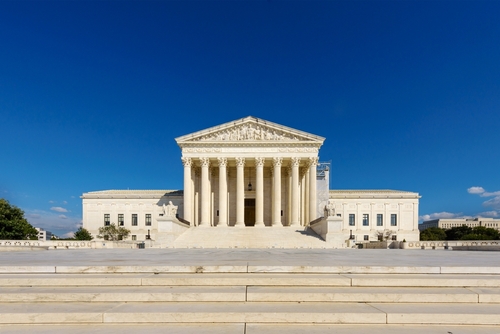
The 2024 Supreme Court decision in the Purdue Pharma case fundamentally changed how bankruptcy courts can protect non-debtor parties from liability. This ruling restricts broad third-party releases that previously shielded executives, insurers, and affiliated companies from lawsuits. For wildfire victims, this means potentially more parties remain liable despite corporate bankruptcies.
Third-Party Release Limitations
Bankruptcy plans can no longer broadly release non-debtor parties from liability without specific consent from affected creditors. This means that corporate executives who made decisions contributing to wildfires may remain personally liable, and parent companies, subsidiaries, and contractors might face continued litigation despite the primary corporation's bankruptcy.
These limitations create additional recovery avenues for victims. While the bankrupt utility reorganizes, victims might pursue claims against equipment manufacturers, maintenance contractors, or individual executives. Insurance companies previously protected by releases may face direct claims. This expanded liability pool potentially increases total recovery beyond bankruptcy distributions. Some utility companies may attempt quick settlements, but victims should understand their full legal options before accepting them.
Strategic Implications for Victims
The new legal environment requires coordinated strategies addressing both bankruptcy claims and non-debtor litigation. Filing bankruptcy claims preserves rights against the primary defendant while maintaining flexibility to pursue others. This careful coordination prevents duplicate recovery issues while allowing you to pursue all available compensation.
Timing considerations become more complex with multiple potential defendants. Bankruptcy deadlines remain rigid while statutes of limitations govern non-debtor claims. Some defendants might seek their own bankruptcy protection if exposed to substantial liability. Attorneys help sequence actions strategically, balancing immediate bankruptcy requirements with longer-term litigation opportunities.
Coordinating with Attorneys Through the Defendant’s Bankruptcy
Legal representation becomes even more critical when bankruptcy complicates wildfire claims. Bankruptcy law intersects with tort law, insurance coverage, and corporate liability in complex ways. Wildfire attorneys experienced in mass tort bankruptcies understand these interactions and develop comprehensive strategies addressing all aspects.
Quick action can preserve rights and advantageously position claims. Attorneys immediately review bankruptcy petitions to understand the proposed treatment of wildfire claims. They also monitor dockets for important deadlines, committee formations, and plan proposals. Early engagement allows strategic positioning before key decisions solidify.
Essential early actions include:
- Filing proof of claim forms before bar dates with appropriate documentation
- Joining creditors' committees representing victim interests
- Evaluating insurance coverage and stay relief opportunities
- Coordinating with government enforcement actions
- Preserving evidence for trust claims or continued litigation
Attorneys also connect victims with financial advisors when bankruptcy distributions involve stock or complex instruments. They explain the tax implications of different recovery forms and help structure settlements efficiently. For victims, finding the right wildfire attorney ensures not only strong legal representation but also guidance on the financial and practical aspects of bankruptcy recovery.
FAQ for Wildfire Claims in Responsible Party’s Bankruptcy
What if I Miss the Bar Date for Filing Claims?
Missing the bar date typically eliminates your right to any recovery from the bankruptcy estate. Courts rarely excuse late filings except for extraordinary circumstances like a lack of proper notice.
Can I Sue Other Parties While the Main Defendant Is in Bankruptcy?
Yes, bankruptcy only stays claims against the debtor, but you can still pursue contractors, manufacturers, or other potentially liable parties. The Supreme Court's 2024 ruling limiting third-party releases preserves more litigation options.
How Long Do Wildfire Victim Trust Payments Take?
Payment timing varies significantly. Simple property claims might receive initial payments within 6-12 months, while complex claims take several years. Some trusts make preliminary distributions quickly while continuing to evaluate final amounts.
Will Bankruptcy Stop Me from Recovering Compensation?
Bankruptcy restructures how you receive compensation, but doesn't eliminate your right to recovery. Many wildfire victims have recovered substantial amounts through bankruptcy proceedings, victim trusts, and insurance claims despite corporate bankruptcy filings.
What Happens to My State Court Judgment if Obtained before Bankruptcy?
Pre-bankruptcy judgments become unsecured claims in the bankruptcy case, losing their priority status. You must still file a proof of claim to participate in distributions from the bankruptcy.
Protecting Your Rights When Corporations Seek Bankruptcy Protection

Corporate bankruptcy doesn't eliminate wildfire claims but transforms how victims pursue compensation. While bankruptcy adds complexity, properly handled claims can still achieve substantial compensation through reorganization plans, victim trusts, and available insurance.
Don't let bankruptcy deadlines pass or complex procedures prevent recovery. Bernheim Law Firm guides wildfire victims through complex bankruptcy proceedings while pursuing available recovery sources.
Call 1-800-WILDFIRE today (or contact us through our website) for a free consultation about protecting your wildfire claim through bankruptcy proceedings.