When a wildfire tears through a California community, leaving a path of destruction, many questions arise, including who is responsible for preventing, managing, and investigating these catastrophic events. Both state and federal agencies play crucial roles in wildfire investigations, but understanding their distinct responsibilities can be complex and confusing.
Our California legal team at Bernheim Law Firm understands the intricate interplay between these agencies and how their actions (or inactions) can impact your ability to recover compensation. While agencies like CAL FIRE and the U.S. Forest Service are on the front lines of fire suppression and investigation, and entities like FEMA provide disaster assistance, their primary focus isn't always on identifying and holding negligent corporations accountable.
Don't settle for less than you deserve. If your home or business in California has been impacted by a wildfire, and you suspect corporate negligence played a role, take the first step toward justice. Call Eaton fire lawyer at (800) WILDFIRE for a free and confidential consultation.
What Federal Agencies Handle Wildfire Response in the U.S.?
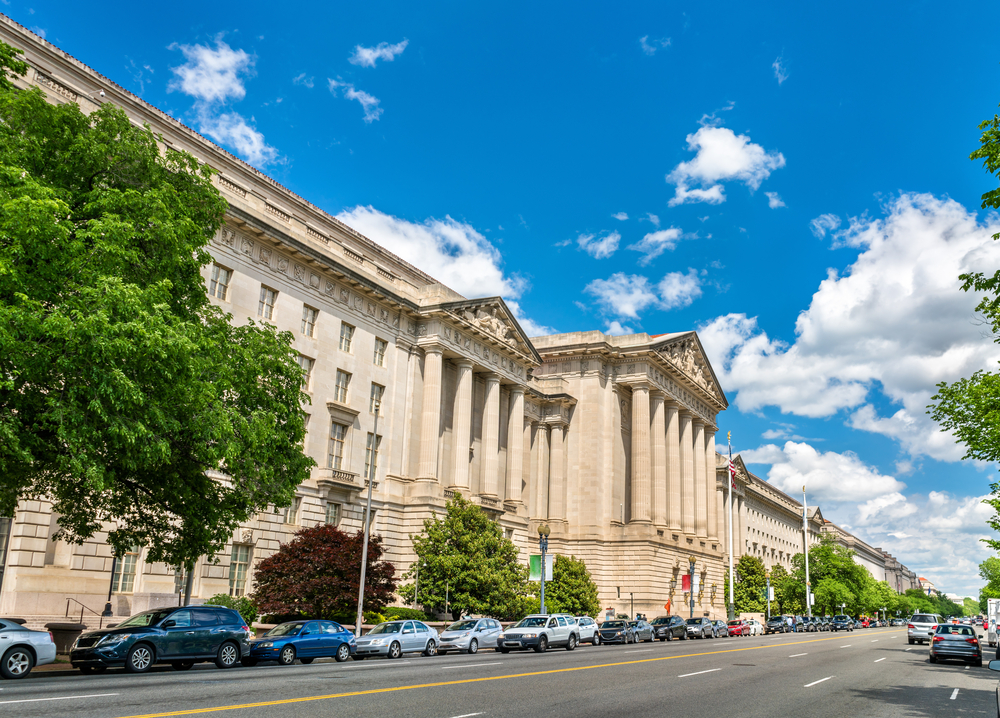
Several federal agencies play significant roles in wildfire management across the United States. They work to protect national lands and support states during large-scale incidents.
The most prominent federal agencies include:
- U.S. Forest Service (USFS): As part of the Department of Agriculture, USFS manages over 190 million acres of national forests and grasslands. Their wildfire responsibilities include prevention, suppression, and recovery efforts. They actively work to reduce fire risks through fuel management programs.
- Federal Emergency Management Agency (FEMA): FEMA steps in after wildfires with disaster declarations, coordinating recovery funds and assistance for affected communities. This aid can be crucial for immediate needs, but often falls short of covering total losses.
- Bureau of Land Management (BLM): This Department of the Interior agency oversees fire management on public lands, especially in western states. Their work helps protect diverse ecosystems and natural resources from wildfire damage.
- National Park Service (NPS): NPS manages wildfire activities within national parks, balancing suppression with ecological considerations. They aim to protect both natural beauty and visitor safety.
- Bureau of Indian Affairs (BIA): The BIA is responsible for wildfire management on tribal lands, working to protect Native American communities and resources.
- Department of Defense (DoD): The DoD provides military support during large wildfire events when requested by civilian authorities. This support may include aerial firefighting assets and personnel.
These agencies coordinate through the National Interagency Fire Center (NIFC) to allocate resources and personnel across the country. NIFC acts as a central hub for wildland firefighting resources, ensuring a unified national response to major incidents.
What Is the Role of State Agencies in Wildfire Prevention?
State agencies are usually the first line of defense against wildfires within their jurisdiction. They implement state-specific laws and programs aimed at reducing fire risk and responding rapidly when fires ignite.
In California, key state agencies include:
- California Department of Forestry and Fire Protection (CAL FIRE): CAL FIRE is responsible for fire protection and stewardship of over 31 million acres of privately owned wildlands. They are often the primary agency leading suppression efforts for many of California's most destructive fires.
- Office of Emergency Services (OES): The OES coordinates disaster response and recovery across California, including wildfires. They ensure that state resources are mobilized effectively to support affected communities.
- Local Fire Departments: City and county fire departments play crucial roles in initial response, community education, and enforcing local fire safety ordinances. They are often the first responders on the scene of a new fire.
State agencies often run prevention campaigns, enforce fire-safe building codes, and manage prescribed burns to reduce fuel loads. For instance, the California Public Resources Code Section 4291 establishes defensible space requirements for homeowners, mandating that property owners clear vegetation around structures to create a buffer against wildfires.
How Do State and Federal Agencies Work Together During Wildfires?
Coordination between state and federal agencies is essential when wildfires cross jurisdictional boundaries or grow beyond the capacity of one agency. Wildfires do not respect property lines, making seamless cooperation vital for effective management.
Key coordination methods include:
- Incident Command System (ICS): This is a standardized, on-scene management system designed to allow multiple agencies to manage incidents jointly. It provides a clear chain of command and a common language, improving efficiency and safety.
- Mutual Aid Agreements: These agreements enable resource sharing between states and federal agencies. For example, a state might send firefighters to assist on federal land, or federal air tankers might support state suppression efforts.
- Unified Command: Used when agencies share management of a wildfire, ensuring seamless communication and strategy alignment. Under Unified Command, representatives from all participating agencies work together to make decisions and coordinate resources.
What Is the Difference Between the U.S. Forest Service and State Forestry Services?
While both the U.S. Forest Service and state forestry services manage wildfire prevention and response, they operate under different authorities and jurisdictions. Understanding these distinctions is important for grasping the broader landscape of wildfire management.
Key differences include:
- Jurisdiction: The USFS operates primarily on federal lands, managing national forests and grasslands. State forestry services, like CAL FIRE, manage state-owned lands and often provide fire protection for privately owned wildlands within their state borders.
- Funding: The USFS relies on federal budgets and appropriations. State agencies are funded by state governments, drawing from state taxes and legislative allocations.
- Mandates: The USFS balances wildfire management with broader conservation goals, recreation, and resource management objectives for national lands. State agencies, conversely, often focus more narrowly on fire protection, suppression, and reducing fire hazards within their specific state mandates.
Both entities are essential partners in comprehensive wildfire management across the country.
Who Investigates Wildfires in the United States?
Wildfire investigations are crucial for determining the cause of a fire and identifying any responsible parties. This information is vital for both prevention efforts and for victims seeking legal recourse.
Agencies involved in wildfire investigations include:
- USFS Law Enforcement: This branch investigates fires that occur on federal lands, often working to identify human causes and pursue criminal charges if negligence is found.
- CAL FIRE Law Enforcement: CAL FIRE handles investigations on state responsibility areas, which include many of the wildland-urban interface zones where devastating fires occur. Their findings are critical for determining the origin and cause.
- Bureau of Alcohol, Tobacco, Firearms and Explosives (ATF): The ATF may assist in large or suspicious fires, particularly when arson is suspected or when specialized forensic expertise is needed. They possess advanced investigative tools and techniques.
- Local Authorities: City and county fire departments may investigate within their jurisdictions, especially for smaller fires or those impacting urban areas. These investigations are important for local accountability.
In cases of suspected corporate negligence, such as faulty utility equipment sparking fires, state and federal investigators may work closely with attorneys and victims to build a legal case. Bernheim Law Firm leverages these investigative findings to pursue aggressive litigation strategies against utility companies. We delve into the root causes, seeking to establish clear links between corporate actions and the resulting devastation.
What Laws Govern State and Federal Responsibilities in Wildfire Cases?
Several laws and policies define the roles and responsibilities of various agencies in wildfire management and disaster response. These legal frameworks also play a part in determining agency liability and whether victims may pursue claims against government entities.
Key laws include:
- Federal Land Policy and Management Act (FLPMA): This act outlines the BLM's fire management duties and its overall mission to manage public lands for multiple uses, including wildfire protection.
- Stafford Act: This federal law governs FEMA’s disaster relief and assistance efforts. It outlines the process for presidential disaster declarations and the types of federal aid available to states and individuals. However, FEMA’s aid often falls short of covering total losses.
- Healthy Forests Restoration Act (HFRA): This act supports state and federal collaboration on fuel reduction projects aimed at preventing catastrophic wildfires. It encourages thinning and prescribed burning to improve forest health.
- California Public Resources Code Section 4291: As mentioned earlier, this California state law establishes defensible space requirements for homeowners, placing a responsibility on individuals to reduce fire hazards around their properties.
While these laws define roles and responsibilities, they also outline the limits of government liability through doctrines like sovereign immunity. For victims seeking full compensation, understanding that legal action against private entities, especially utility companies, often yields more comprehensive results is crucial.
Do I Need to File a California Wildfire Lawsuit?
Even when state and federal agencies investigate wildfires and determine a cause, their findings do not automatically lead to compensation for individual victims. Agencies like CAL FIRE Law Enforcement or USFS Law Enforcement investigate fires to identify the origin and cause. These investigations are crucial for understanding how the fire started and may even lead to criminal charges or regulatory penalties against responsible parties.
However, an agency investigation alone does not guarantee that the utility company or other negligent entity will be held financially responsible for your specific damages. Individuals must take separate legal action to recover their losses.
Bernheim Law Firm focuses on these types of California wildfire lawsuits. We investigate how the fire started and gather evidence of corporate negligence. Our goal is to prove that a company's actions, or lack of action, directly caused your losses. We hold large corporations or entities, particularly utility companies, directly responsible for damages caused by their negligence in starting wildfires.
Compensation Beyond Insurance Payouts in Your California Wildfire Lawsuit
Insurance policies may cover some of your losses. However, these payouts often fall short of the true cost of rebuilding your life. They may not cover:
- The full market value of your home or property.
- Lost personal belongings with sentimental value.
- Lost profits or business interruption for business owners.
- Emotional distress and pain.
- The costs of temporary housing and living expenses.
Bernheim Law Firm pursues full compensation through a California wildfire lawsuit. We take legal action directly against the responsible utility companies.
This approach aims to recover damages that go far beyond typical insurance settlements. You may have the right to claim a wide range of losses, including damage to homes, personal items, vehicles, and even natural resources. We also seek compensation for lost wages, medical expenses, and emotional suffering, fighting for a fair settlement and justice.
Frequently Asked Questions about the Role of State and Federal Agencies in Wildfire Cases
What Federal Agencies Handle Wildfire Response in the U.S.?
The U.S. Forest Service, FEMA, Bureau of Land Management (BLM), National Park Service (NPS), Bureau of Indian Affairs (BIA), and Department of Defense (DoD) are key federal agencies managing wildfire prevention, suppression, and recovery efforts.
What Is the Role of State Agencies in Wildfire Prevention?
State agencies, such as CAL FIRE in California, are responsible for enforcing fire safety codes, managing fuel reduction programs, and coordinating initial wildfire responses within their specific state jurisdictions.
How Do State and Federal Agencies Work Together during Wildfires?
They collaborate using established protocols like the Incident Command System (ICS) and unified command structures, ensuring seamless resource sharing and strategy alignment during multi-jurisdictional wildfire events.
What Laws Govern State and Federal Responsibilities in Wildfire Cases?
Key laws include the Stafford Act, which governs federal disaster assistance; the Federal Land Policy and Management Act (FLPMA), outlining BLM duties; the Healthy Forests Restoration Act (HFRA), supporting fuel reduction; and the California Public Resources Code Section 4291, establishing defensible space requirements.
How Does FEMA Support Wildfire-Affected Areas?
FEMA provides crucial post-disaster support through Individual Assistance (IA) for temporary housing and repairs, Public Assistance (PA) for infrastructure repair, and Hazard Mitigation Assistance (HMA) to reduce future risks. However, this aid often does not cover all losses.
Can Government Agencies Be Held Liable for Wildfire Damages?
Federal and state agencies generally have sovereign immunity from lawsuits. However, exceptions exist under laws like the Federal Tort Claims Act (FTCA) for federal agencies or the California Government Claims Act for state entities. It is often more effective for victims to pursue claims against private corporations whose negligence caused the fire.
Take Action: Reclaiming Your Future After Wildfire Losses

If a wildfire destroyed your home or business in California, knowing the role of government agencies is just one part of the picture. When corporate negligence sparks these disasters, victims deserve full compensation that goes beyond what insurance or government aid may provide. The impact on property owners, renters, and businesses, including agricultural destruction, physical injuries, and emotional distress, is profound.
If you were affected by a wildfire, call Wildfire attorney today at (800) WILDFIRE to discuss your case. Our team fights tirelessly with aggressive litigation strategies to hold corporations accountable and secure the comprehensive recovery you need to rebuild your life. We are committed to achieving justice and fair compensation for victims of preventable disasters.